The $8 Book That Shaped My Early Years in New York
A bookstore, a new city, and the beginning of a creative life.
1994. Montclair, New Jersey. A town just 12 miles west of Manhattan, with historic homes and a quietly thriving arts scene. I was 21 and had just moved from Australia to study fashion styling at Parsons and FIT — equal parts excited and intimidated by the city I’d always dreamed of. Living on the city’s edge, I spent my days exploring, absorbing, and adjusting to this new life.
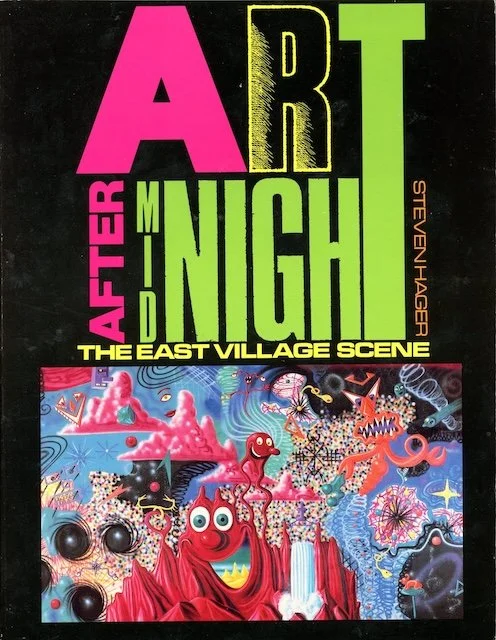
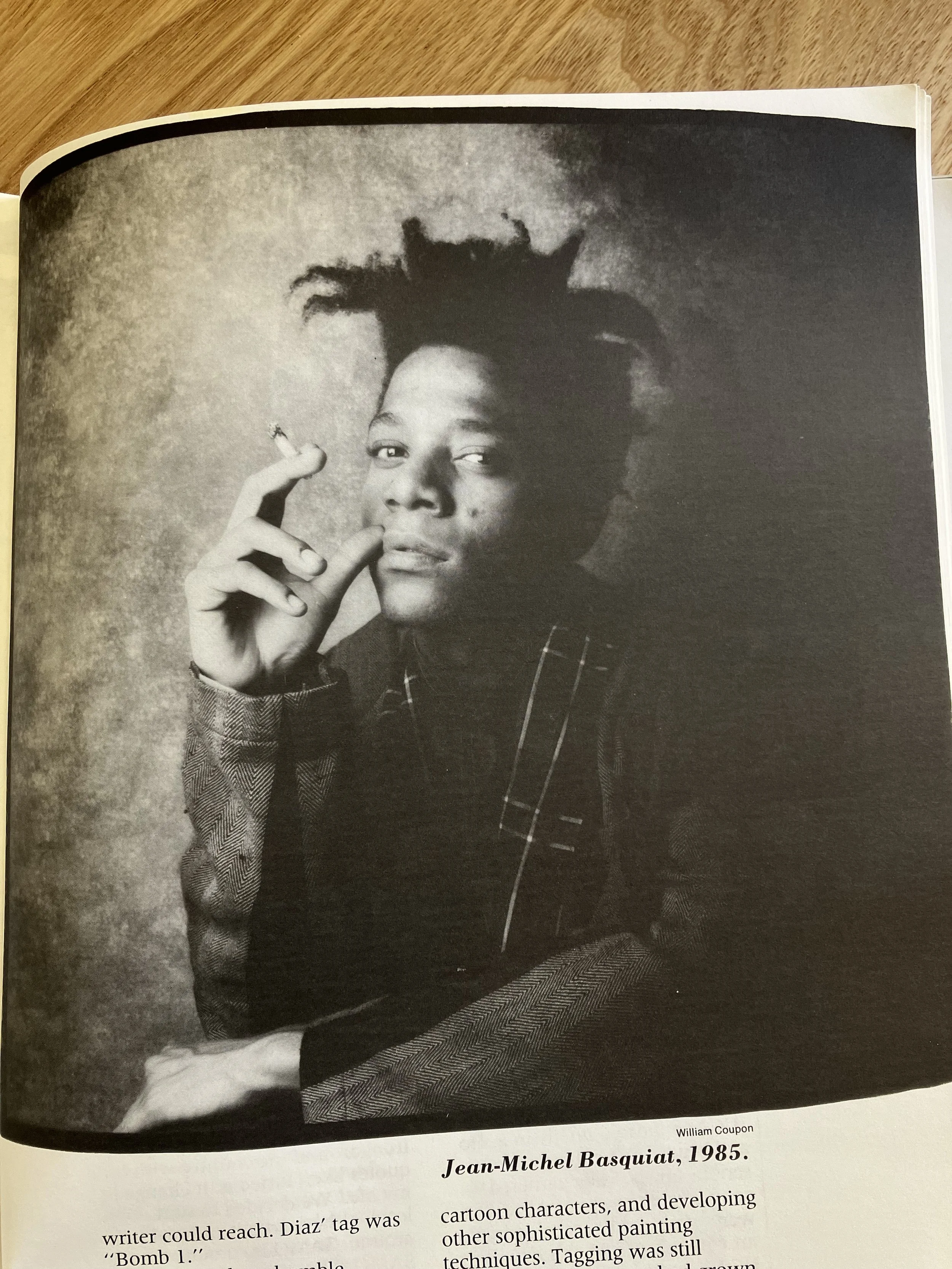
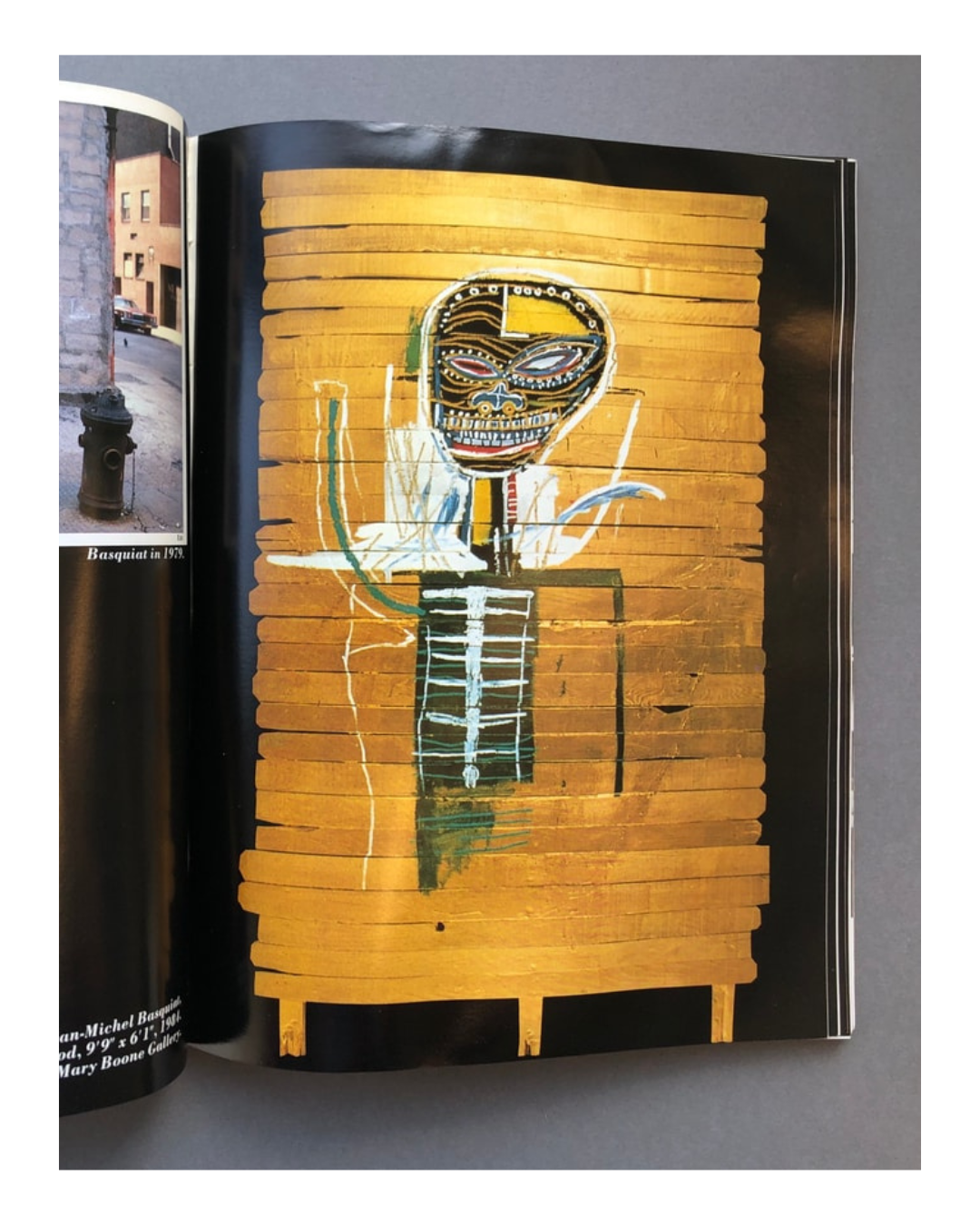
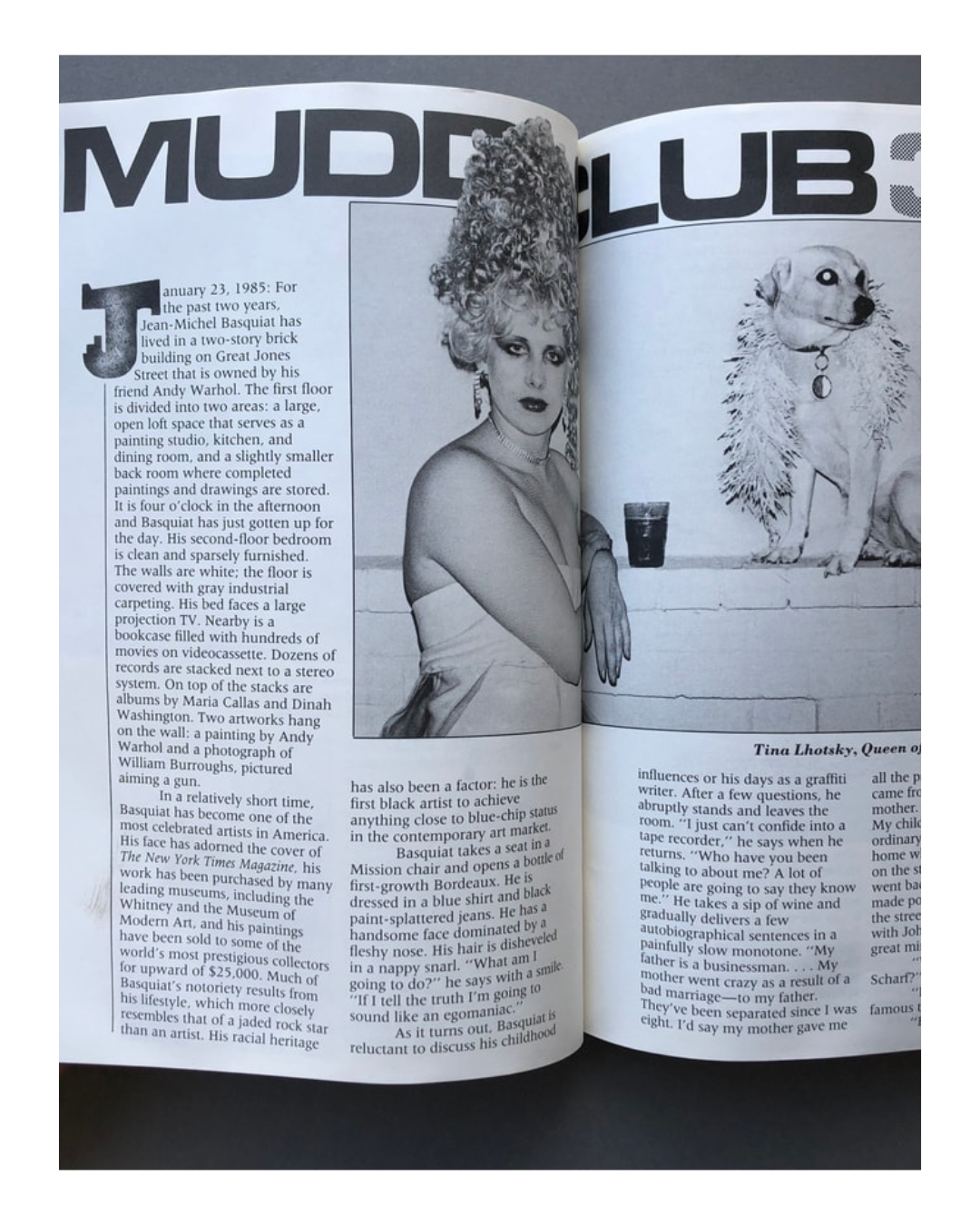
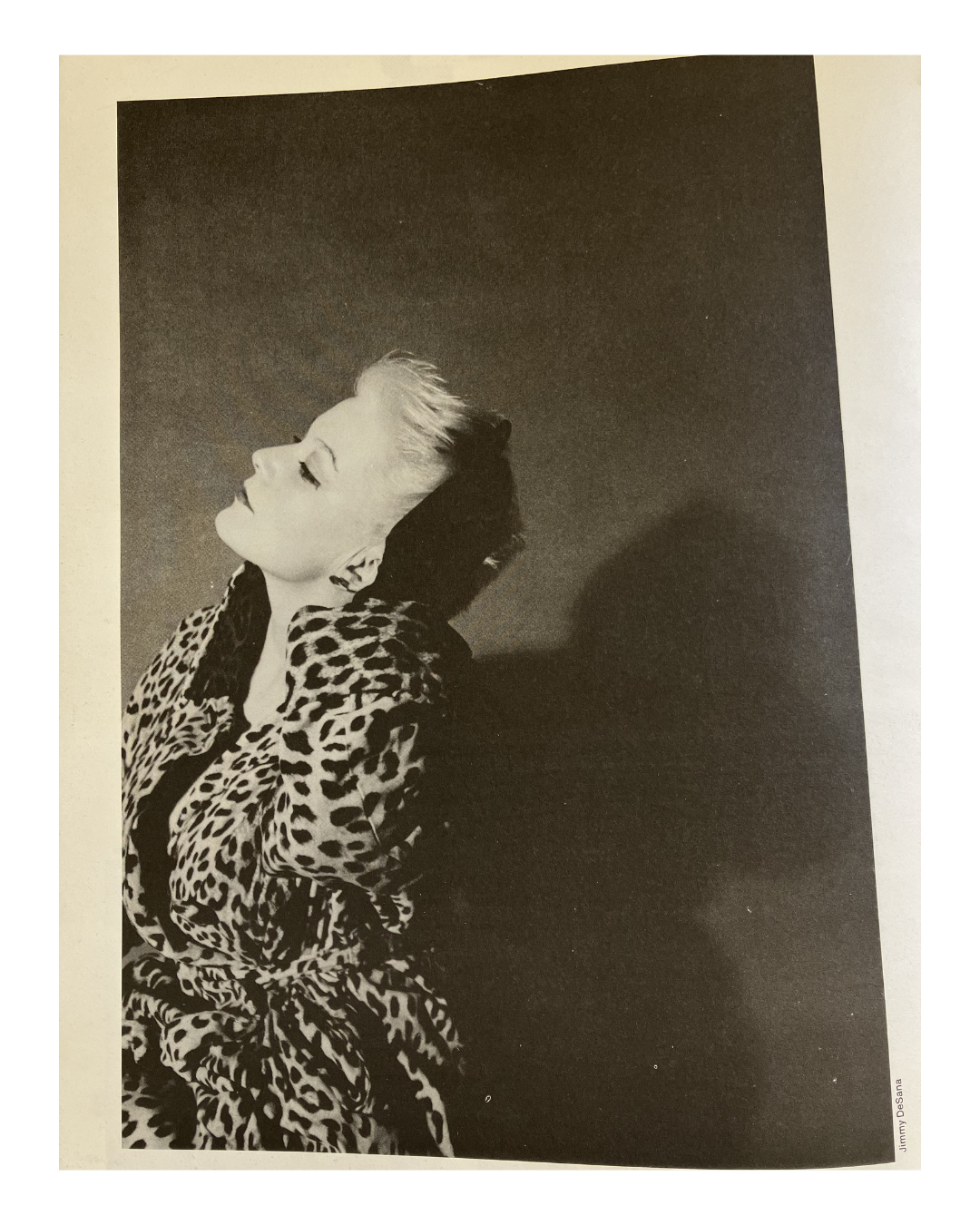
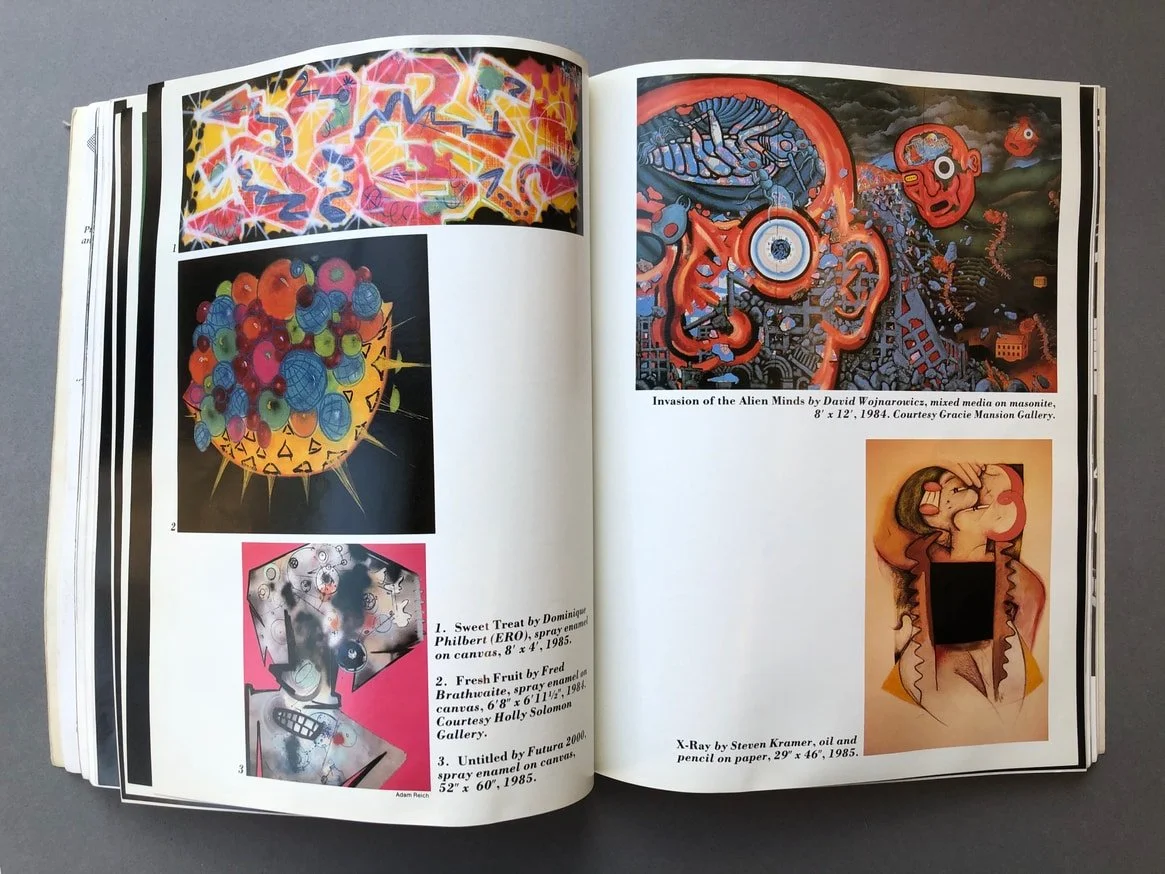
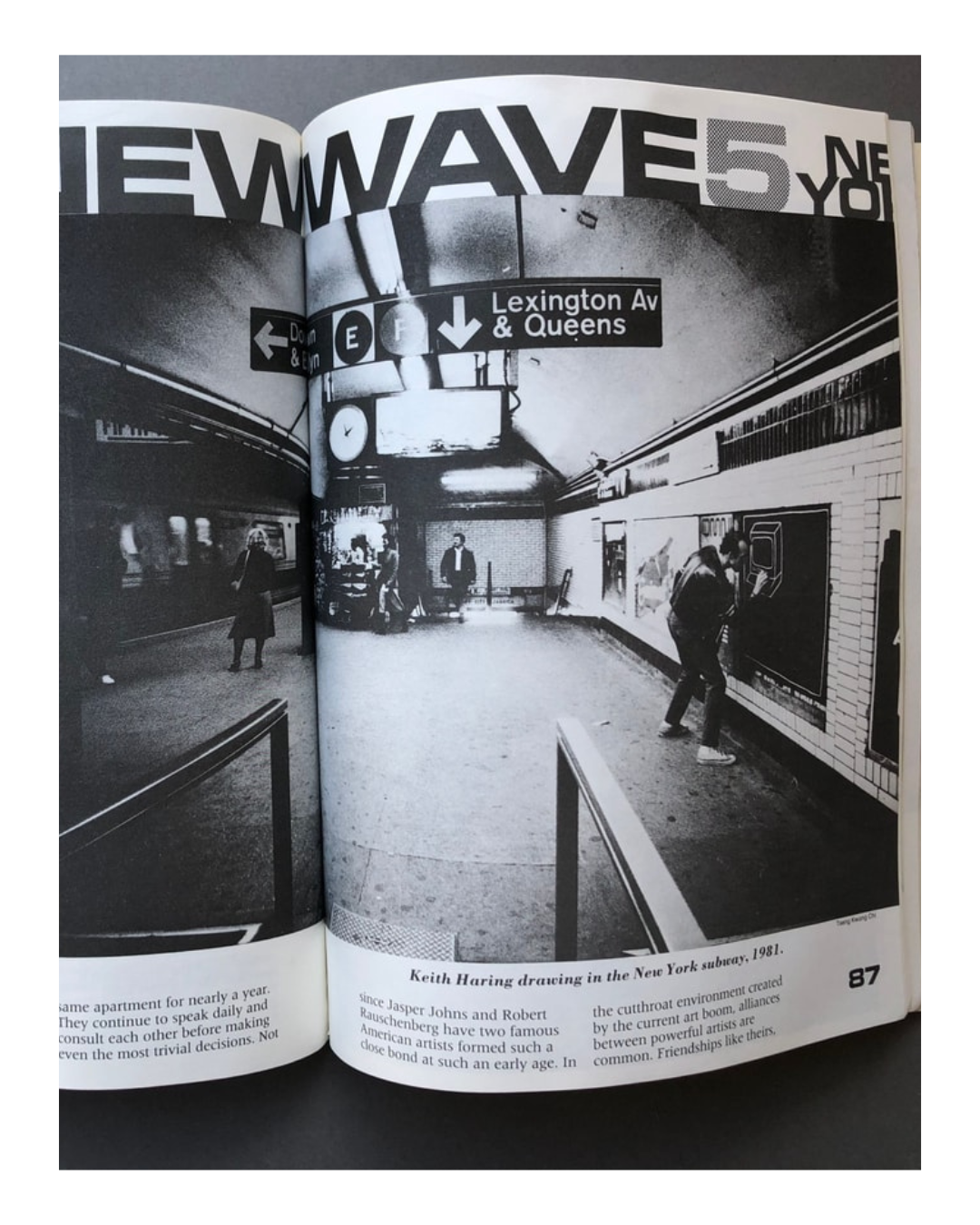
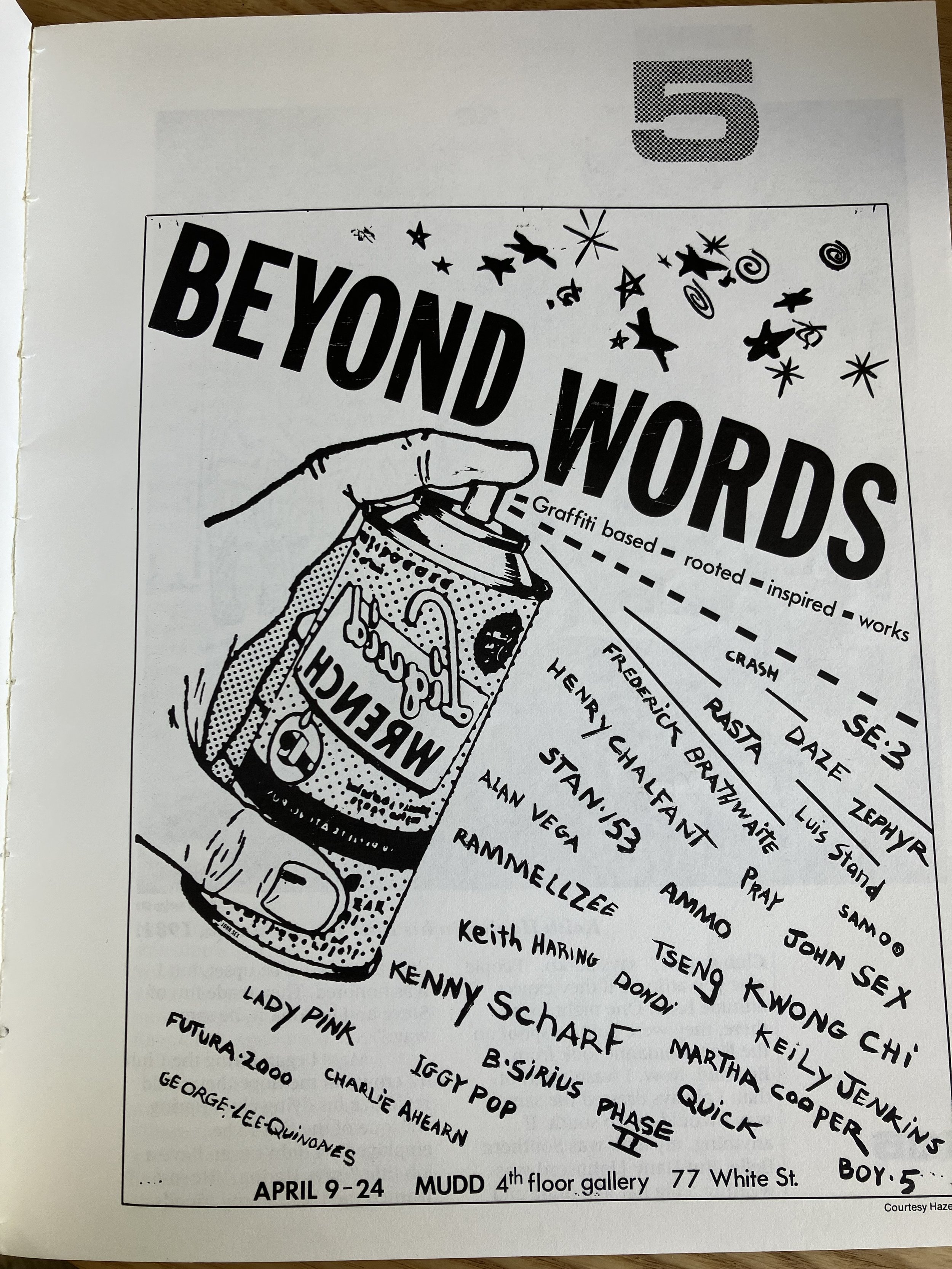
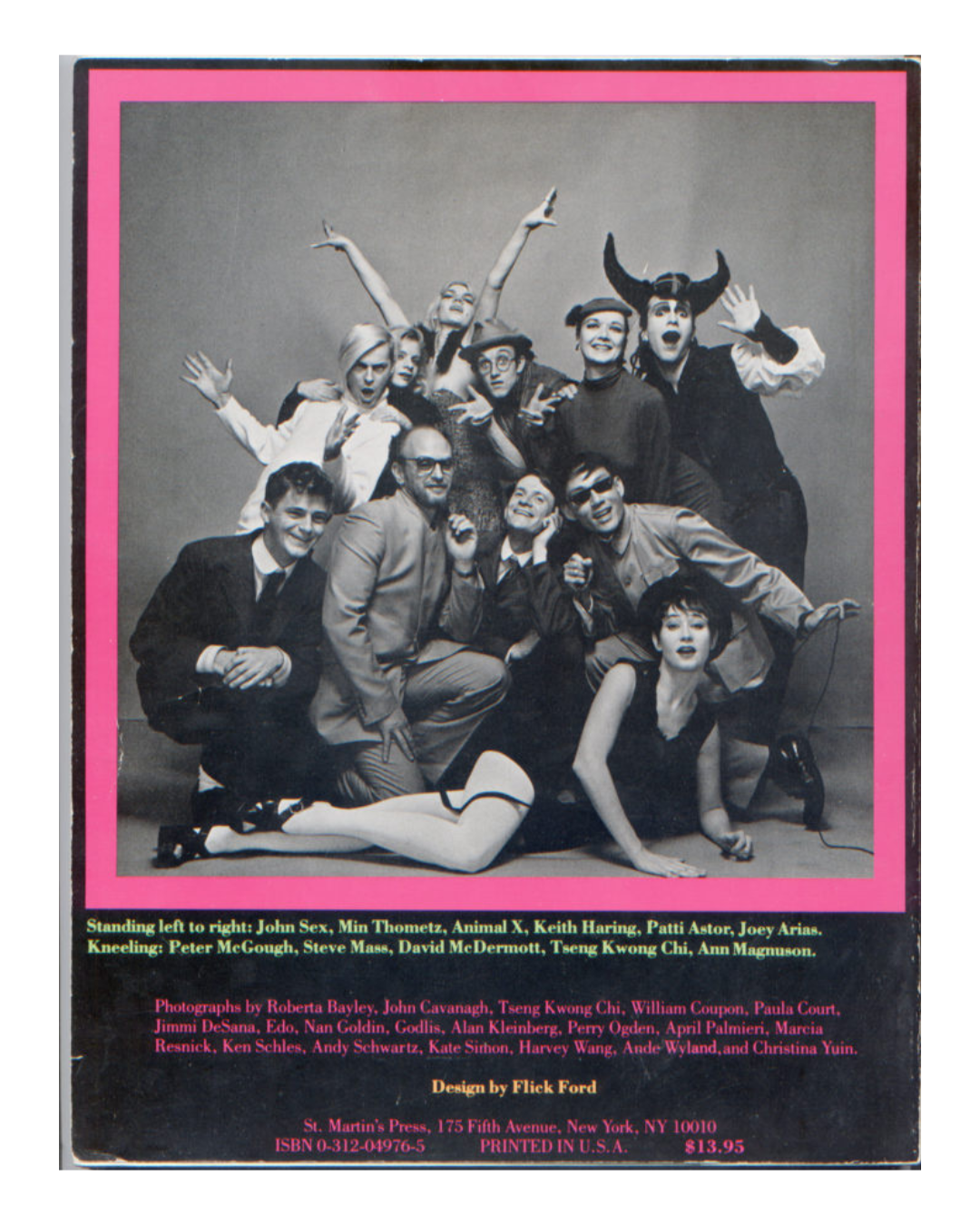
One afternoon, I wandered into Montclair Book Centre and headed straight to the second-hand box. That’s where I found it: Art After Midnight: The East Village Scene — a gem of a book with bold graphics. It was one of the first accounts of the intersection between art and nightlife in the early ’80s East Village, featuring Basquiat, Keith Haring and others — now considered a primary source. Clearly loved, I still have that copy, quietly grateful to Steven Hager for writing it. Flipping through its pages, it felt like I’d discovered a secret portal into the East Village underground.
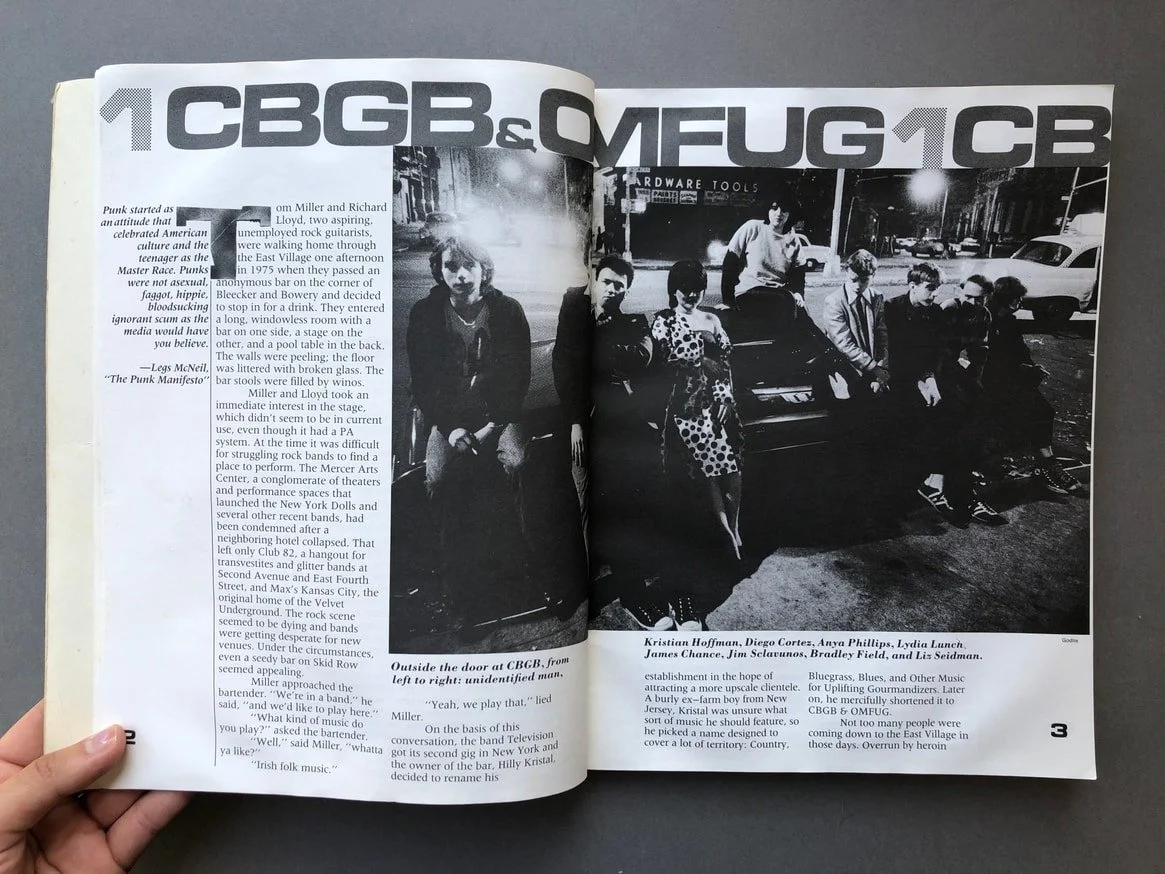
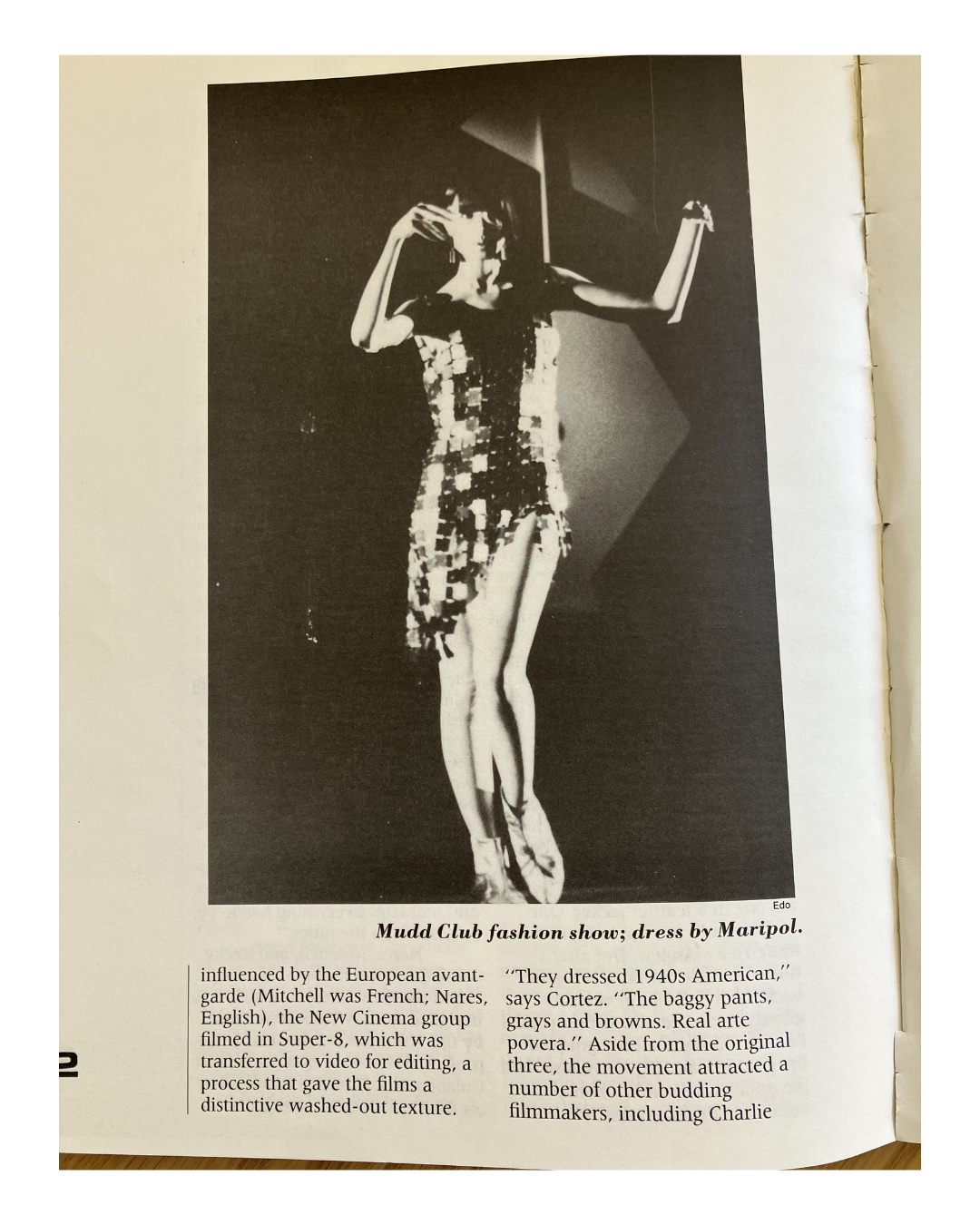
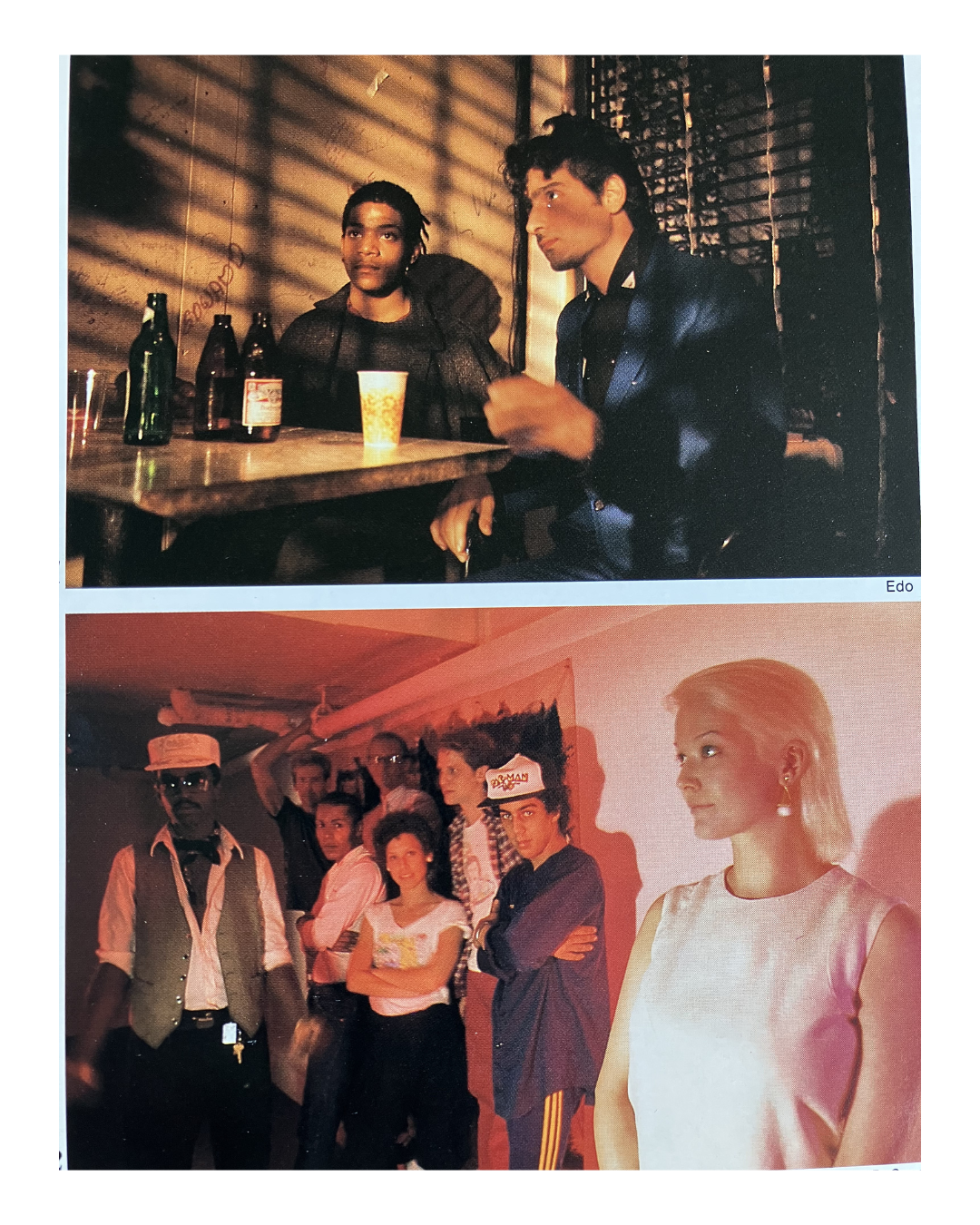
Through Hager’s words, I could almost hear the music at CBGB — “Rip Her to Shreds” by Blondie echoing in my head. I could picture the costumes at Club 57 and the Mudd Club, feel the raw, pulsing energy of artists like Jean-Michel Basquiat and Patti Astor building something from nothing. It was a world where collaboration had no boundaries and creativity thrived.
I didn’t know then that this $8 book would quietly shape my path.
Years later, after moving to Wooster Street in SoHo, one project led to another — until I found myself working alongside some of the very artists Hager had written about.
I collaborated with Maripol, who helped shape Madonna’s early image, and edited Patti Astor’s memoir about Fun Gallery, her East 10th Street space where downtown artists and uptown collectors collided.
It wasn’t just a gallery; it was a meeting point. Futura, Fab 5 Freddy, Lee Quiñones, Kenny Scharf, Keith Haring, Basquiat.
Looking back, that small purchase became the thread connecting my future projects. Creative turning points rarely announce themselves. Sometimes they begin quietly — in a second-hand box, waiting for you to notice.
This wasn’t the only book that left its mark. Over the years, I’ve collected a small library — the subtle ones that shift your path without you realising. I’ll share more of them soon.
Related Projects
– Maripol Polaroid Exhibition (L’Oréal Melbourne Fashion Festival)
– Editing Patti Astor’s Memoir, Fun Gallery